November 4, 2026
Severe weather brings strong winds, heavy precipitation, and sudden temperature shifts that place immense physical stress on native trees. When powerful gusts tear through a neighborhood, even sturdy branches can suffer unseen fractures, internal splits, or structural imbalances. In the wake of intense weather patterns, routine property cleanups must extend beyond gathering fallen twigs from the lawn. Scheduling professional tree trimming services provides a structured method to evaluate crown damage, reinforce compromised canopies, and eliminate dangerous limbs before they cause injuries or property destruction.
While the visible consequences of storm damage often prompt property owners to react, systematic post-storm care serves a much broader purpose. Strategic canopy maintenance revitalizes damaged bark, prevents invasive pathogens from exploiting open tears, and stabilizes overall root and branch balance. Proper tree care after turbulent weather ensures that native landscapes remain resilient through changing seasonal cycles. Exploring the primary reasons to trim canopies following severe weather reveals how proactive stewardship protects residential investments and preserves environmental vigor.
1. Remove Hazards and Debris
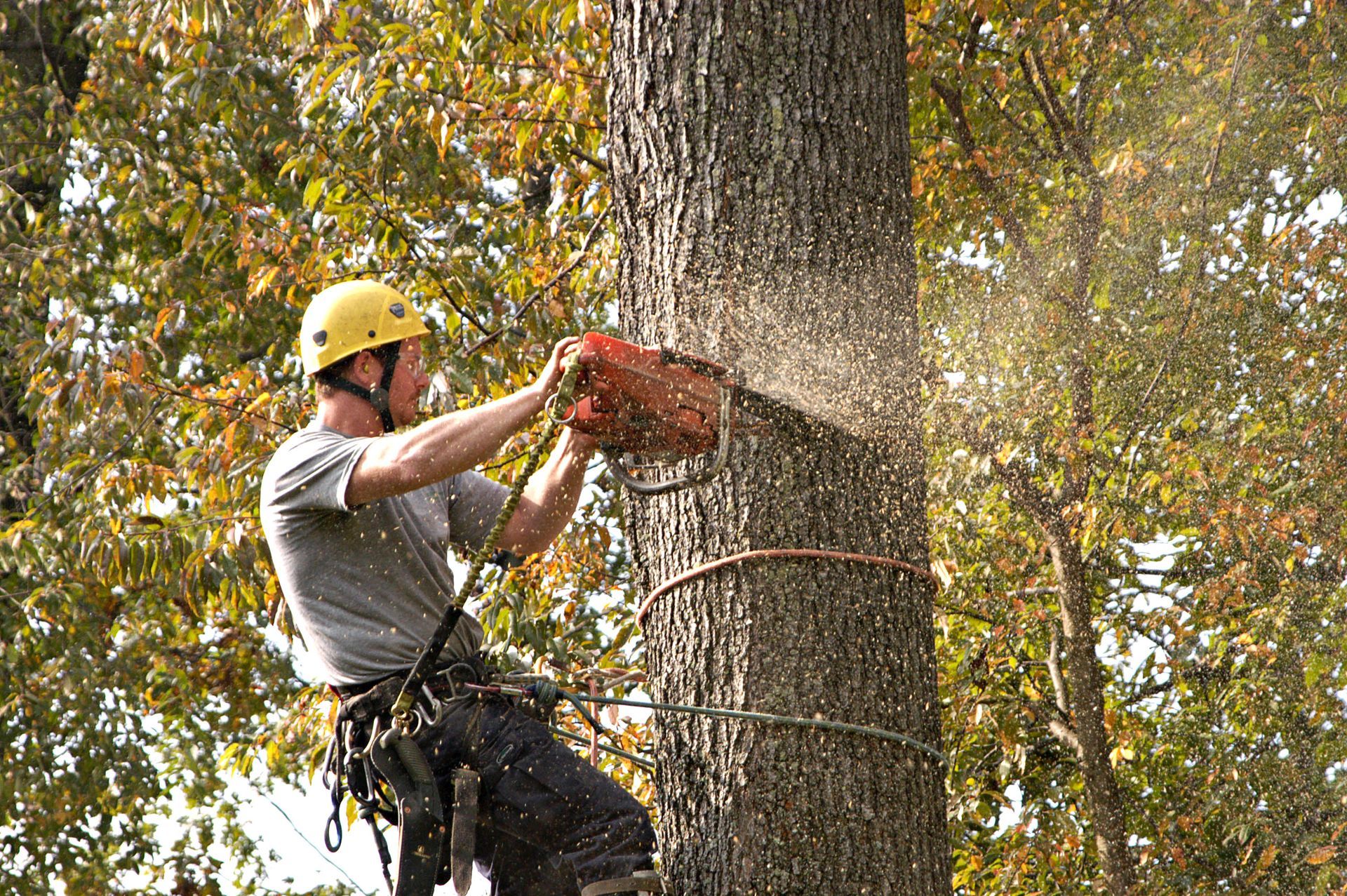
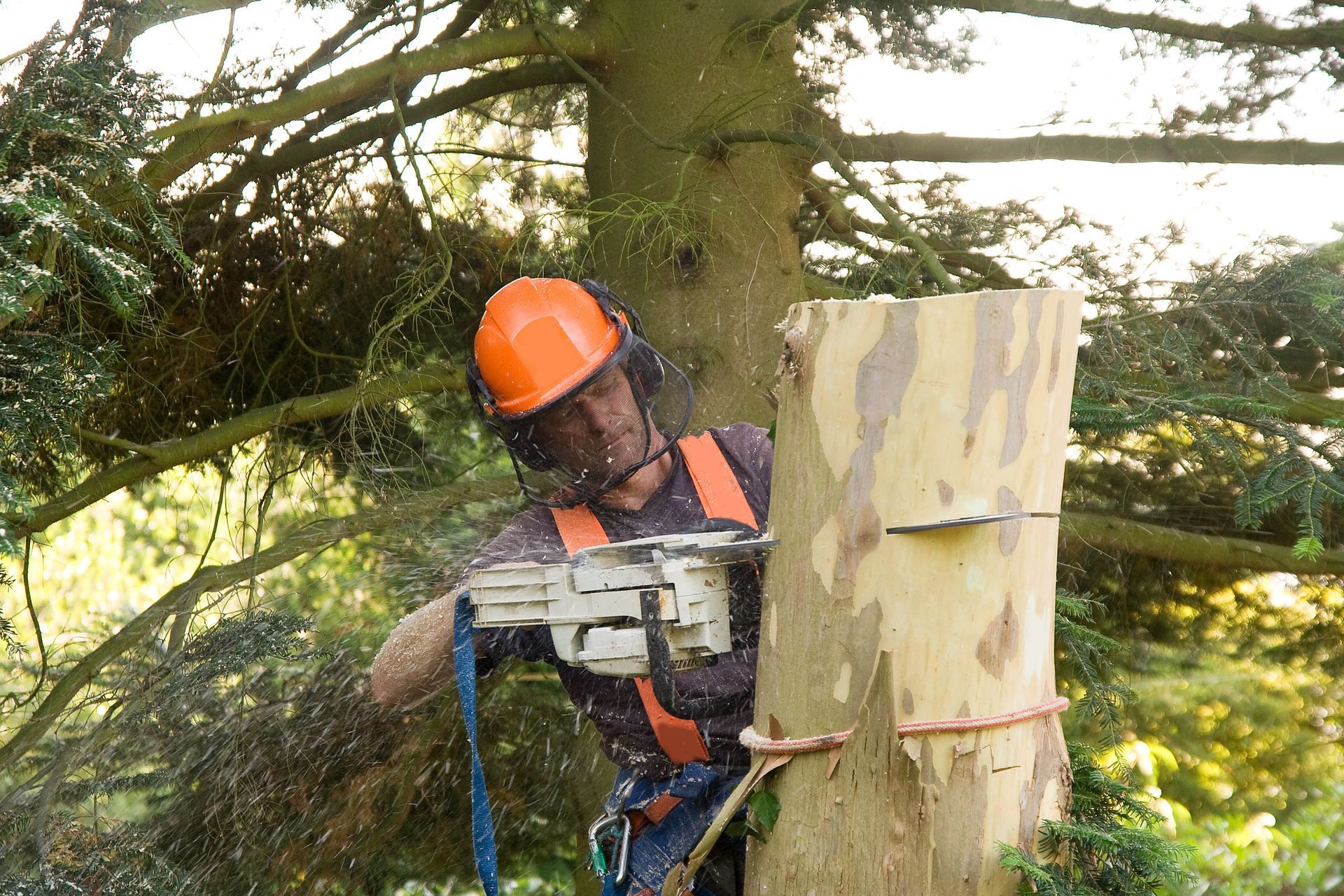
Severe storms leave heavy, broken branches suspended high within tree canopies. Arborists refer to these detached limbs as hangers because they linger precariously until strong winds or gravity bring them crashing down. Pedestrians, vehicles, and outdoor living areas face severe danger when dangling limbs remain unattended. Engaging skilled arborists for tree trimming services removes these loose hazards methodically, using proper rigging techniques to protect the surrounding landscape from falling timber.
Beyond hanging limbs, severe winds crack broad boughs at structural junctions without causing immediate detachment. These internal fractures weaken the structural integrity of the entire crown, creating hidden hazards that standard visual scans from the ground might overlook. Professional arborists inspect the upper structure to identify hidden fractures, peeling bark, and unbalanced weight distributions. By pruning these compromised sections promptly, property owners protect walkways, driveways, and gathering spaces from unexpected limb failure during future rainfall or wind events.
2. Protect Buildings and Utilities
High winds push sprawling tree limbs into nearby utility lines, creating intense friction and hazardous mechanical tension. When heavy boughs rub against electrical infrastructure, they can strip protective coatings, trigger dangerous electrical arcs, or sever power conduits during subsequent weather events. Clearing branches away from vital infrastructure requires precision and specialized knowledge of tree physics. Dedicated tree trimming services establish proper clearance corridors around utility paths, preventing community disruptions and minimizing dangerous fire risks.
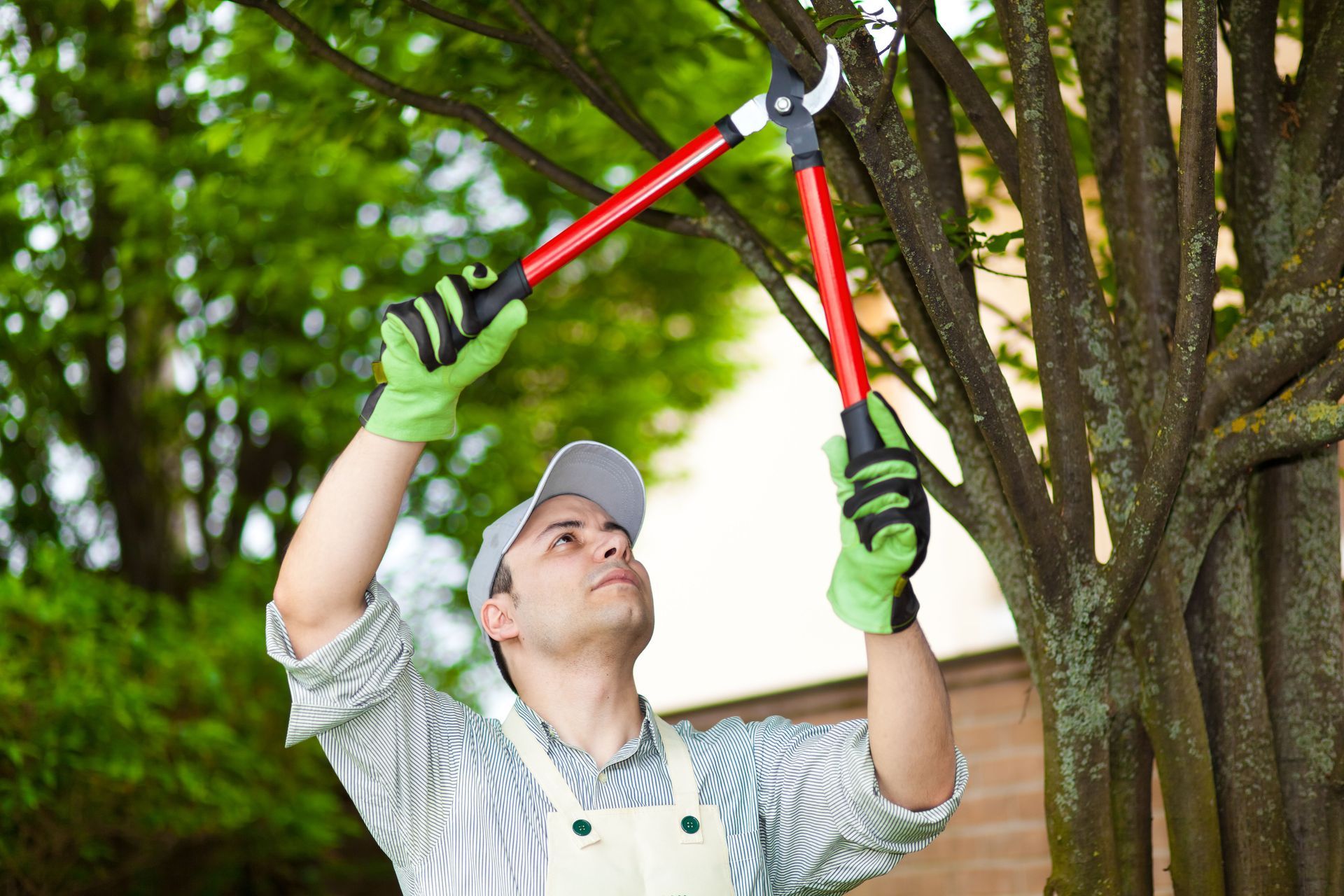
Roofs, gutters, siding, and perimeter fences also face continual threats when storm winds bend heavy limbs toward residential architecture. Even if a major branch does not break during a storm, repetitive contact can scrape away protective roof shingles or puncture building materials. Pruning overhanging branches back to sturdy lateral growth points protects structural assets from direct mechanical impact. This careful spatial management prevents extensive structural repairs while preserving the natural silhouette of mature trees growing near residential foundations.
3. Prevent Disease and Decay
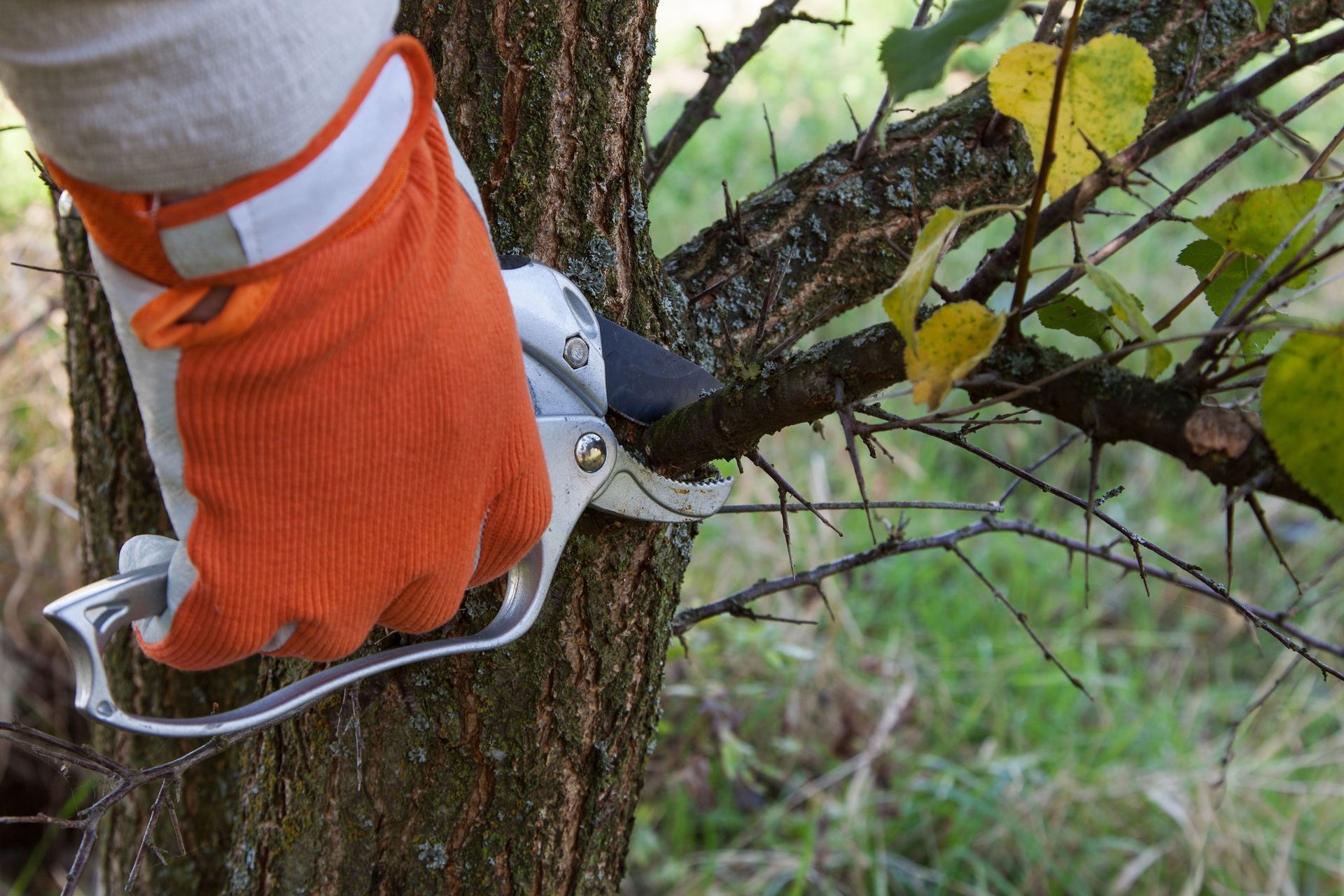
Storm damage creates ragged tears, broken stubs, and stripped bark that leave internal wood fibers exposed to opportunistic fungi and bacterial pathogens. Unlike clean cuts, jagged storm breaks heal slowly and create pockets where stagnant moisture accumulates. Fungal spores thrive in these damp, frayed wounds, gradually penetrating the sapwood and compromising the internal vascular system. Pruning damaged limbs back to the branch bark collar enables trees to form protective callus tissue and seal wounds naturally.
Weakened wood also emits stress compounds that attract boring insects and wood-destroying pests to damaged crowns. Wood-boring beetles and opportunistic colonies rapidly colonize broken timber, using torn stubs as entryways into healthy sections of the trunk. Incorporating timely tree trimming services stops potential pest infestations before wood decay spreads deep into structural trunks. Removing infected or fractured timber preserves healthy wood tissue and maintains internal defense mechanisms across the entire property canopy.
4. Improve Airflow and Sunlight
Turbulent weather breaks and tangles interior branches, creating dense clusters of deadwood that block light and restrict gentle breezes through the canopy. Without adequate light reaching the center of a tree, inner foliage withers, leaving the canopy sparse and weak. Opening the interior canopy allows bright sunlight to penetrate deep into lower boughs and surrounding understory turf. Balanced sunlight distribution supports uniform leaf development, photosynthesis, and vibrant ground plantings beneath mature shade trees.
Adequate air circulation through the upper crown also plays an essential role in foliage health by drying leaves after seasonal rains. Stagnant moisture on crowded foliage creates a prime breeding ground for powdery mildew, leaf spot, and foliar blights. Clearing crossed and broken limbs through professional tree trimming services improves wind dynamics, allowing turbulent gusts to filter through open branch patterns instead of catching dense foliage like a sail. Improved ventilation stabilizes trees against future winds while discouraging chronic fungal leaf blight.
5. Encourage Growth and Longevity
Storms strip healthy leaves and snap vigorous terminal shoots, disrupting the normal energy production cycle of mature trees. Thoughtful pruning stimulates fresh dormant buds, guiding vital nutrient streams toward strong lateral branches that rebuild lost canopy density. Removing damaged, non-productive wood ensures that root systems channel precious moisture and minerals directly into vibrant new leaves. This targeted energy reallocation helps injured specimens regenerate healthy tissue and resume steady, productive development.
Sustaining a full, thriving canopy provides essential ecological benefits to the surrounding landscape, including natural temperature regulation. According to EARTHDAY.ORG, mature canopies intercept harsh sunlight to generate cooling shade, lowering the ambient temperature underneath branches by up to 25°F relative to open zones. Maintaining lush foliage through regular tree trimming services protects these localized cooling benefits, keeping properties pleasant during hot summer weather. Consistently supporting vigor and vegetative renewal preserves mature specimens so they provide shade and soil stabilization across generations.
6. Restore Balance and Appearance
Violent weather rarely leaves trees symmetrically balanced; high winds often tear branches from an individual side of a crown while leaving the opposite side intact. This uneven loss creates an awkward weight distribution that exerts dangerous rotational force on trunk bases and anchoring root systems. Rebalancing the canopy through selective thinning prevents structural failure under the weight of future ice, snow, or wind. Arborists carefully shape remaining boughs to re-establish structural equilibrium and restore natural growth patterns.
Aesthetic harmony is another valuable consequence of meticulous post-storm branch correction. Jagged breaks, lopsided crowns, and splintered stubs detract from the visual appeal of residential properties and manicured landscapes. Strategic pruning restores tidy contours and highlights the natural grandeur of native trees. Engaging arborists for tree trimming services elevates property beauty, creating an orderly, well-maintained outdoor environment that enhances neighborhood curb appeal and safeguards lasting landscape character.
Severe weather tests the endurance of regional landscapes, leaving behind hazards that require immediate, knowledgeable attention. Ignoring damaged limbs or jagged wounds compromises tree vigor and invites catastrophic property damage during subsequent storms. Proactive maintenance resolves hidden structural vulnerabilities, halts pest invasions, and establishes proper clearances around buildings and overhead lines. Taking decisive steps after storm seasons ensures that mature trees continue to enrich surrounding spaces safely and sustainably.
Every property benefits when homeowners prioritize routine arboricultural inspections and comprehensive post-storm canopy care. Maintaining structural balance, promoting vigorous new growth, and removing damaged wood preserves the safety, charm, and natural splendor of outdoor living areas. We invite you to contact us at Texas Tree Service today to inspect your property, remove storm hazards, and protect your landscape.