November 2, 2026
Living among towering trees brings natural beauty to any home, offering refreshing shade during scorching summer days. When a tree dies, however, it transforms from an attractive landscape feature into an active danger to your living space. Brittle branches and rotting trunks can cause substantial damage to roofs and nearby vehicles. Arranging a professional tree removal service protects your property before severe weather turns unstable timber into an emergency.
Trees weaken quietly over time as internal moisture evaporates and structural fibers decompose. Without healthy sap flowing through the trunk, wood loses the flexibility needed to withstand sudden gusts of wind. A sudden storm can snap heavy branches without warning, sending dense wood crashing down on whatever sits beneath the canopy. Homeowners often overlook subtle warning signs like peeling bark or hollow trunk cavities. Noticing these indicators early allows you to address the problem before falling wood causes severe destruction.
Identifying Weakened Limbs and Structural Decay
Spotting dead timber begins with looking closely at the upper canopy and outer branches. Healthy trees produce lush foliage that flexes naturally in the breeze. Dead limbs, by comparison, remain completely bare during spring and summer, displaying brittle twigs that snap under light pressure. Fungal growth along the base of the trunk also indicates that decay has penetrated deep into the heartwood.
When internal wood rots away, the exterior bark often loosens and drops to the ground in large sheets. Deep vertical cracks running down the trunk show where structural tension is failing. These physical flaws indicate that the tree can no longer support its own weight. Calling for an evaluation helps property owners determine whether the tree poses an immediate hazard to nearby structures.
Evaluating Falling Hazards Near Buildings
A dead tree standing in an open pasture might fall harmlessly, but a decaying tree near a home requires prompt intervention. Gravity ensures that falling wood follows the path of least resistance, which often means toppling toward nearby structures. Leaning trunks indicate that root systems have rotted beneath the soil, making the entire tree vulnerable to sudden collapse.
Roofs and detached garages face constant danger from overhead branches. Even relatively small limbs can punch holes through shingles, breaking rafters and allowing rain to pour into living spaces. Booking a qualified tree removal service ensures that unstable timber is taken down safely before it crashes onto your home.
Preventing Costly Damage to Nearby Structures
Roof repairs can cost thousands of dollars when heavy limbs crush decking and destroy drainage systems. Falling branches snap gutters off the fascia board, allowing runoff water to pool around building foundations. This excess moisture can seep into basements or cause concrete foundations to crack over time.
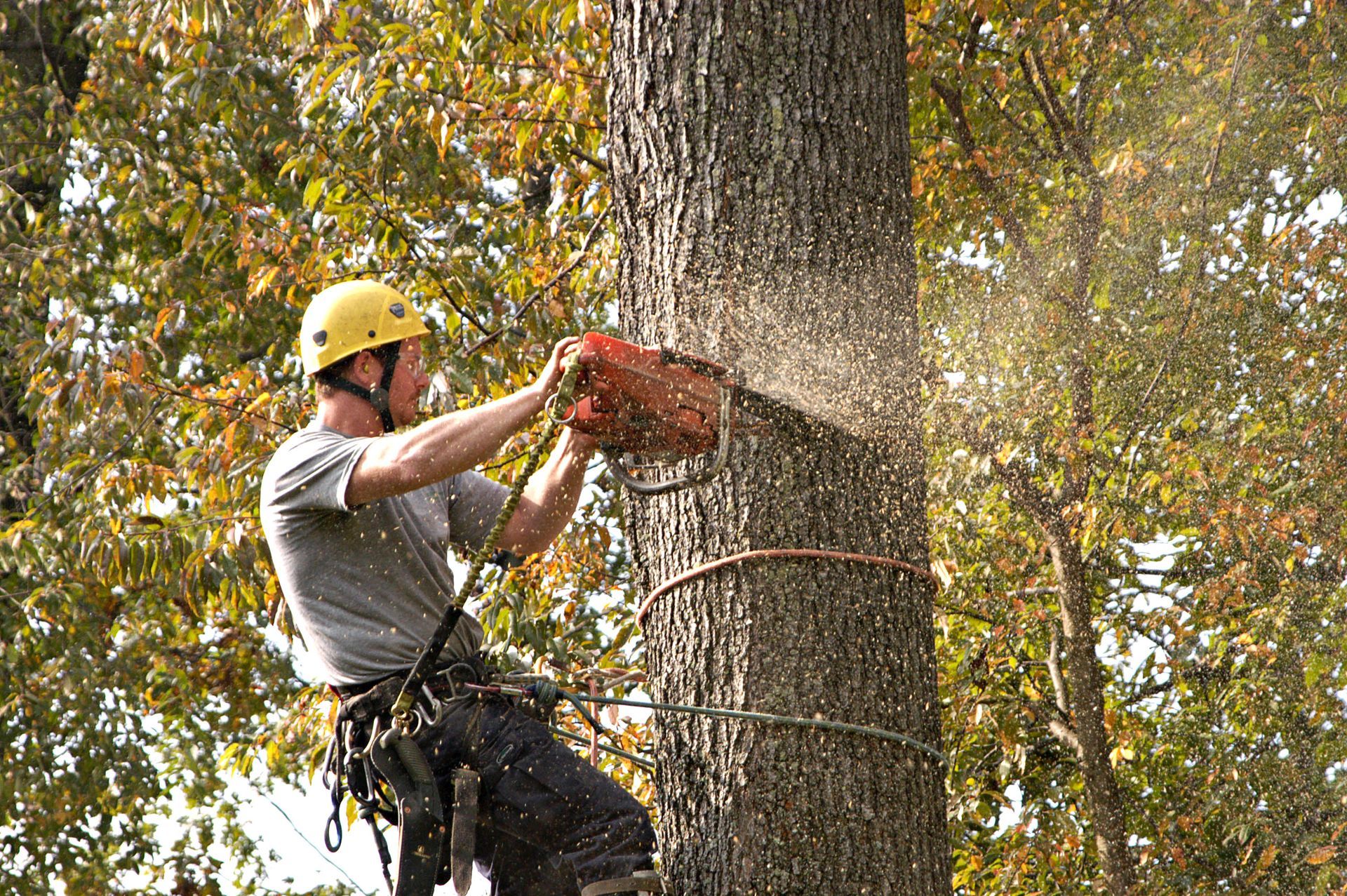
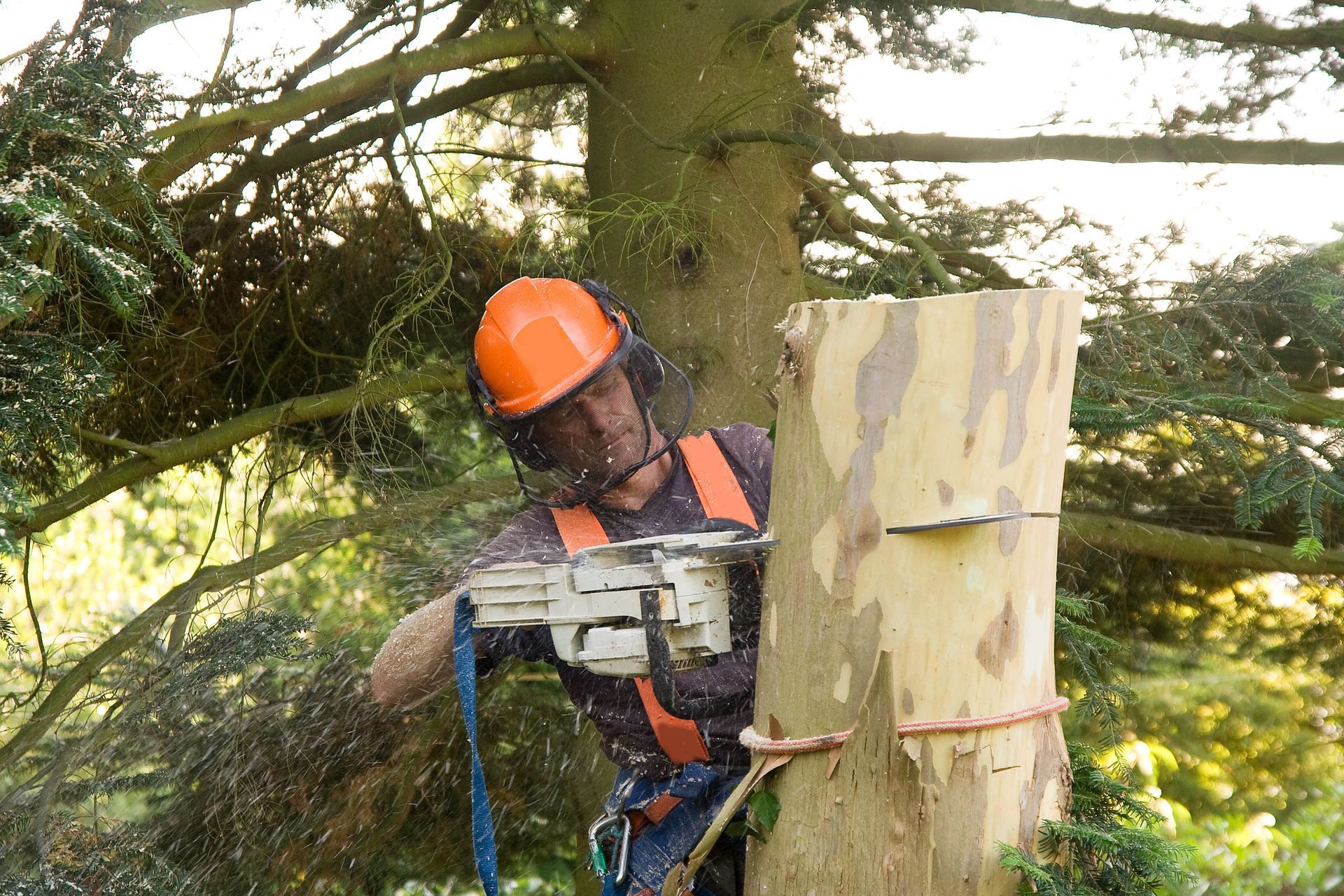
Taking down dead trees eliminates these overhead threats completely. Experienced crews use controlled lowering techniques to dismantle hazardous limbs piece by piece, preventing debris from touching your roof. Clearing these dangerous trees away shields your home from catastrophic structural impacts and costly exterior repairs.
Protecting Underground Utility Lines and Fences
The dangers of dead trees extend far beyond falling branches. As root systems decay beneath the surface, the soil around the base becomes loose and unstable. Shifting roots can dislodge underground plumbing pipes and crack sewer laterals buried on your land.
Property boundary fences also suffer frequent damage when rotten trees uproot. A collapsing trunk can flatten chain-link fencing or crush custom wooden gates within seconds. Utilizing a prompt tree removal service prevents unexpected fence repairs and keeps your property secure from unwanted intrusions.
Safeguarding Outdoor Living Areas From Hidden Dangers
Stopping Destructive Wood-Boring Pests
Decaying wood serves as an open invitation for destructive wood-boring insects. Termites and wood-boring beetles flock to dead trees, establishing colonies within the soft, rotting wood. Once these pests finish consuming the tree, they naturally migrate toward the nearest wooden structures, including your home.
Allowing a dead tree to linger near your foundation increases the likelihood of a severe insect infestation. Termite colonies can tunnel through wooden wall framing for months before anyone detects their presence. Removing decaying trees eliminates the primary food source that attracts these damaging pests to your property.
Reducing Sudden Fire Hazards in Dry Weather
During hot, dry seasons, dead trees turn into standing kindling that threatens entire neighborhoods. Dehydrated wood ignites rapidly if struck by lightning or exposed to stray sparks from outdoor grills. Once a dead tree catches fire, the flames can leap across driveways and ignite dry leaves in nearby gutters.
Creating defensible space around your home is an essential part of residential fire prevention. Clearing away dead timber removes the dry fuel that allows wildfires to spread toward residential structures. Scheduling a dependable tree removal service helps you maintain clear perimeters that keep your family and property safe from fire.
Halting the Spread of Harmful Tree Diseases
Many trees die from aggressive fungal infections or contagious bacterial diseases. Oak wilt and other plant pathogens can linger inside dead timber long after the leaves have fallen. Fungal spores travel on the wind or hitch rides on burrowing insects, carrying infection to neighboring trees that are completely healthy.
Failing to address an infected tree puts your entire landscape at risk. An outbreak can sweep through your yard, turning multiple mature trees into hazardous deadwood within a few seasons. Removing diseased timber quickly contains the infection, protecting your remaining greenery and preserving the natural beauty of your property.
Managing Professional Tree Work
Assessing the Timeline for Taking Down Unstable Timber
Homeowners sometimes delay tree projects because they worry about prolonged disruptions to their daily routines. In reality, professional crews work quickly and systematically to dismantle dangerous trees without disturbing your household.
According to This Old House, taking down a dead tree generally requires two to four hours and fully depends on the tree's physical size and location on your property.
Experienced arborists arrive with the proper equipment to complete the job within a single morning or afternoon. Understanding this brief timeframe helps homeowners realize that eliminating a dangerous hazard is both fast and manageable.
Clearing Away Hazardous Debris and Stumps
Taking down a dead tree is only half the battle; the remaining wood and stump still need attention. Leaving a decaying stump in the ground invites burrowing pests and creates an unsightly tripping hazard in your lawn. Over time, mower blades can strike hidden roots, causing expensive mechanical damage to your landscaping equipment.
Professional crews offer complete cleanup solutions that leave your yard pristine.
Heavy wood is hauled away while stumps are ground smoothly below the surface.
Investing in a comprehensive tree removal service restores your lawn to a clean, safe state that is ready for fresh sod or garden beds.
Dead trees represent an urgent threat to your home and family safety. Ignoring brittle branches or rotted trunks only increases the likelihood of an expensive accident during the next windstorm. Taking decisive action by scheduling a skilled tree removal service preserves your landscape and protects your property investment.
When you spot dead or decaying trees on your property, rely on our team at Texas Tree Service. Our skilled professionals provide dependable tree trimming and hazardous removals throughout the Texas Hill Country. Contact us today to schedule an on-site property evaluation and keep your home safe from falling timber.